


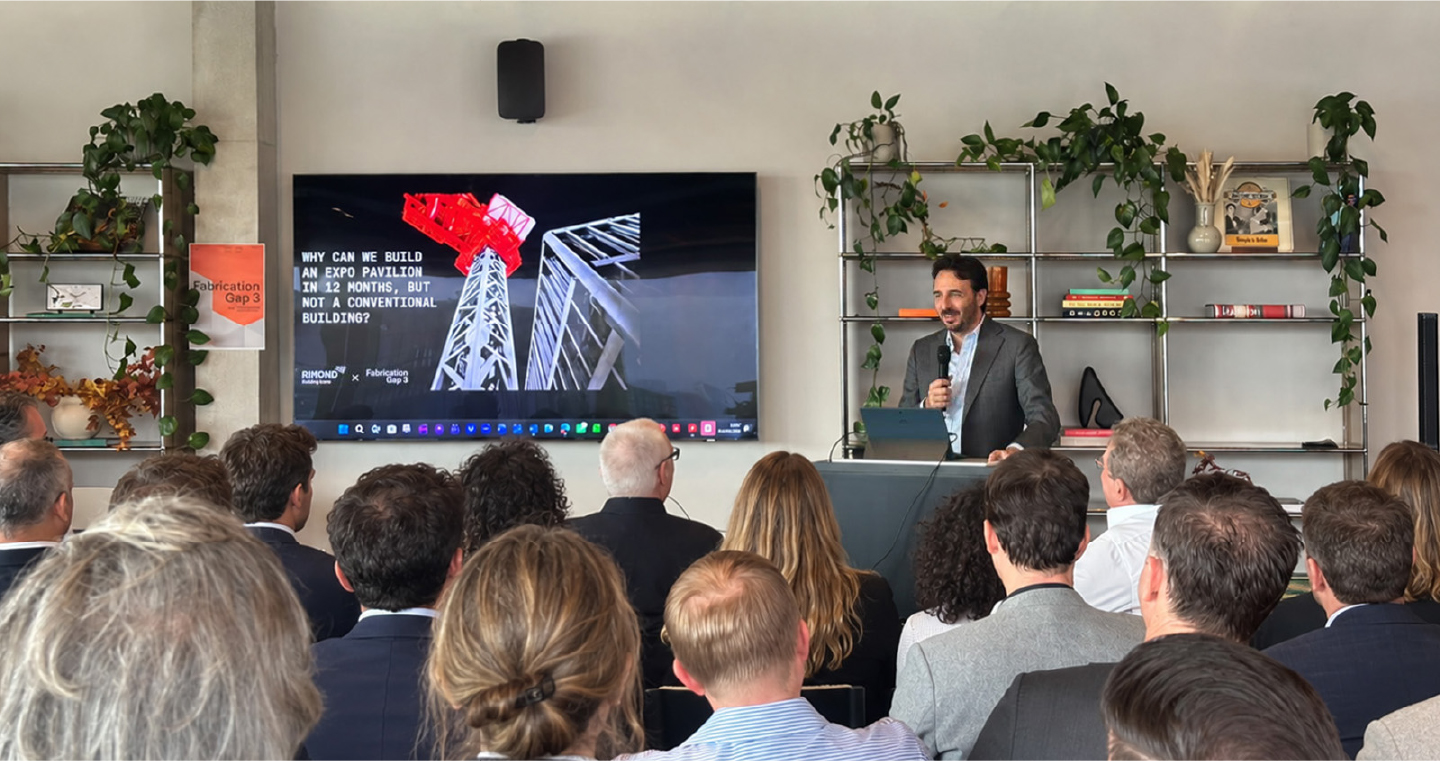
RIMOND supported and participated in the third edition of the FabGap Conference, held in London on September 24-25th. FabGap is a series of gatherings putting together designers, researchers, fabricators and experts that present their works dedicated to the exploration of the “Gap” still existing between Design and Construction. Such “Gap” in the idea of the conference exists especially between the ideas and the solutions developed in the conception phase and what are seen and observed as compromises or changes that come as a built output.
This is of course a large and longstanding issue. It is, also, the contrast that makes the power of architectural language arise, as its poetry lies exactly in the tension between the expression of ideas into the dumbness of matter. Architecture, somehow, is the magic that makes it possible to find symbols, signs and meanings into construction. The transition to modernity, though, has made construction become an increasingly complex topic, by adding new materials, techniques and the consequent emergence of new specialists. Modernity created and enlarged the distance between design and construction, caused mainly by technology, in the early years linked especially to the growing industries and mass production. The history of architecture in pre-modern and modern age could also be read as a history of attempts to address these changes and these new technologies through new sensitivities and new approaches to design and architectural language. The particular point of view of this conference on such a large and important topic lies somehow at the end of the past century with the rise of attention and relevance of digital technology.
Mind the gap
The “digital” looked, at the end of the nineties and during years 2000s, as the new, exciting opportunity for the architectural sector, as it allowed not only the generation and the control of innovative and unprecedented building geometries, but also to make them possible to be built since both design and construction were being digitized and therefore a direct translation of design into fabrication was imagined as possible. Experimental and often elitist groups started to test these possibilities through prototypes, digital artifacts, small projects exhibited in events such as the “Non Standard Architectures” exhibition held at Centre Pompidou in 2004. Many participants in the FabGap conference have their roots in that pioneering scene and took part in agencies that were early adopters and promoters of these promising technologies. They belong more, in particular, to the actors who believed in the capability of digital instruments to become “bridges”: the geometry of design could be turned directly into fabrication data, through CNC, CAM processes. This meant bringing into the construction industry some of the parametric technology that was already in use in other sectors of the Manufacturing Industry, where software was meant not to generate drawings but to generate cutting, milling patterns, and have paper only as a byproduct. There was, therefore, a direct contact between the abstract geometry of the designers and the precise geometry of the machines: the “magic” of what was defined, at the time as “abstracting craft” or “mass customization” among many new definitions for the possibility to produce bespoke components, designs, parts for architectural projects.
But the Manufacturing Industry has a completely different organizational structure, if compared to Construction. The main difference lies in continuity: design and manufacturing are strictly connected – since they commonly belong to the same entity. Products that are designed and manufactured – being them cars, appliances, components – are then compared on the market. Construction separates it by nature through the bidding process, but Modernity added a layer of complexity since the design does not always properly define the technologies, since they are part of it, in the complex contemporary context: there must be a moment when the two entities talk to each other, when they interact. This is the “Gap” that the conference investigates through a series of events seen as a continuous discussion, spanning over the different editions, to express a need that emerges from the direct experience of the organizers but also of a core group of participants that belong to offices at the edge of the research in 90s and 2000s. It’s a space of interaction, of thinking, a space that was practised by them for years, shaping new roles and new organizations. A paradigmatic example comes from Fabian Scheurer, one of the conference organizers. Scheurer was the founder of the agency called Design to Production that introduced in the building process a new role, by working on the digitization of architectural projects mostly complex by embracing the digital management of the project geometry used to accurately define and ultimately fabricate the building components directly from the model. The moment when D2P intervenes embodies perfectly a sentence by John Nastasi, founder of Product Architecture Lab at Stevens Institute of Technology in the US, one of the innovative study programs of the pioneering time in 2000s, that defined the program as a path to form new generations of professionals able to embody the transition from form generation to form “resolution”. How to allow form resolution to happen, how to shape the right environments?
For sure, such environments grow along special projects, and this is typical of the experience of many participants to the conference, starting from the main discussant and coordinator, Wolf Mangelsdorf, that comes from Buro Happold, part of a history of engineering taking part and bringing to resolution many iconic projects worldwide. The novelty of the approach was to offer a comprehensive environment to form resolution, able to bring a new synthesis to the definition of the different engineering sides of a project.
RIMOND’s take: embracing risk
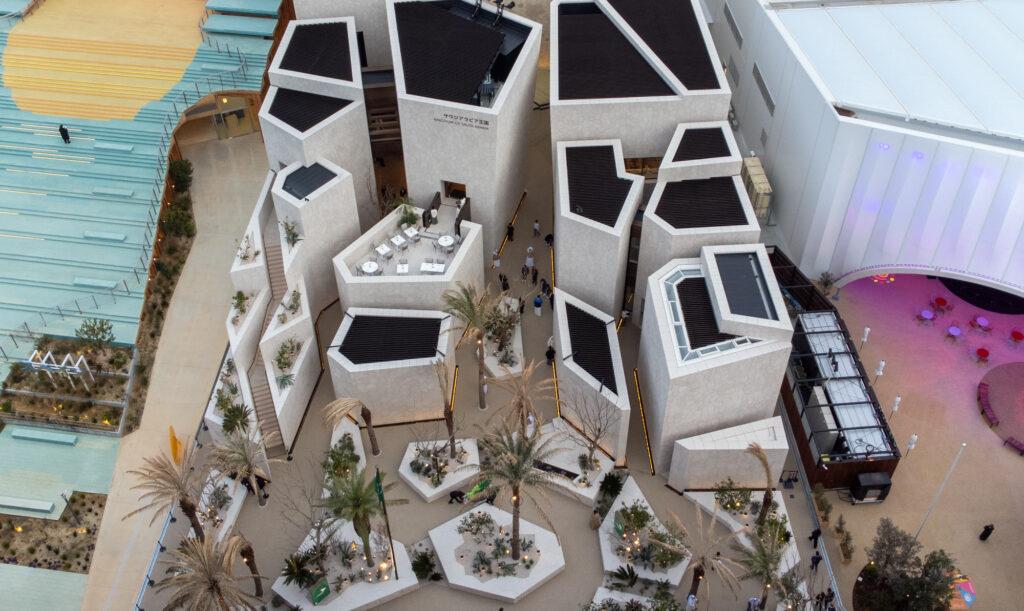
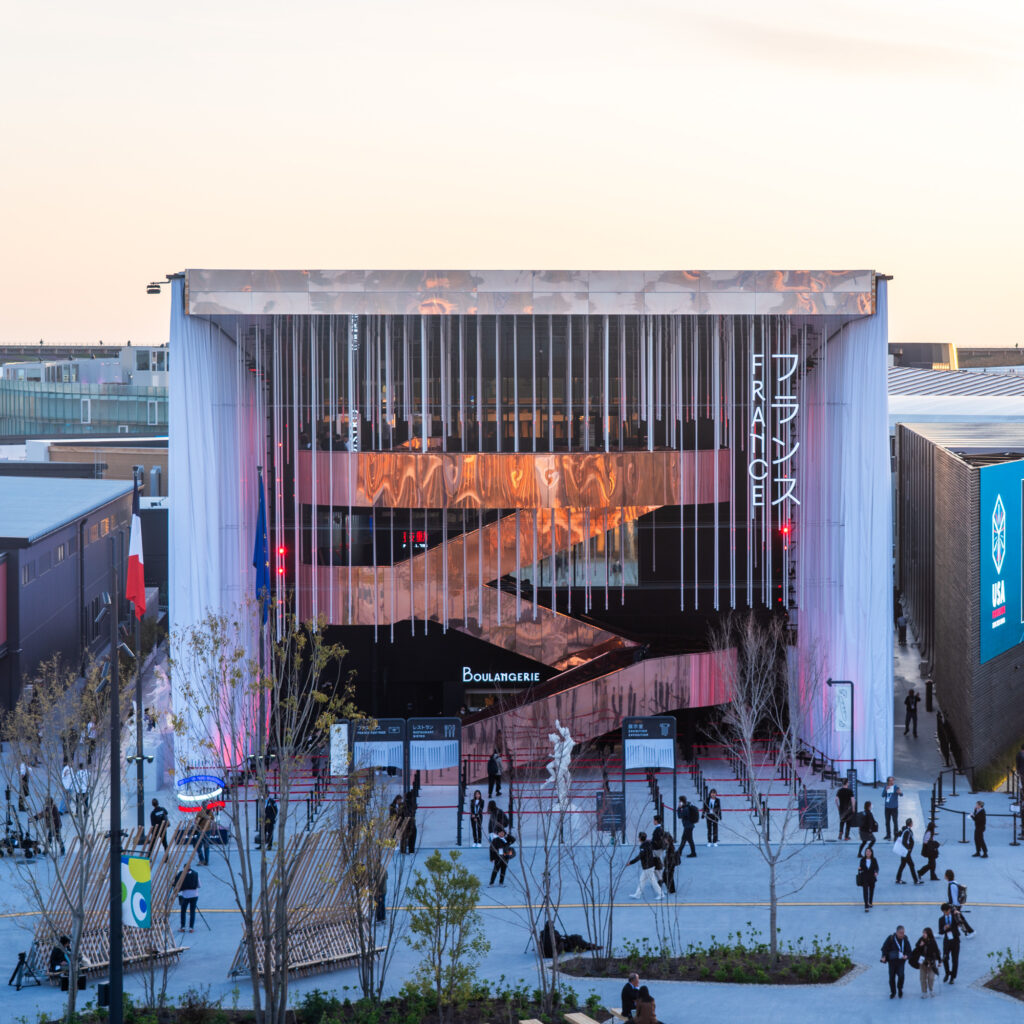
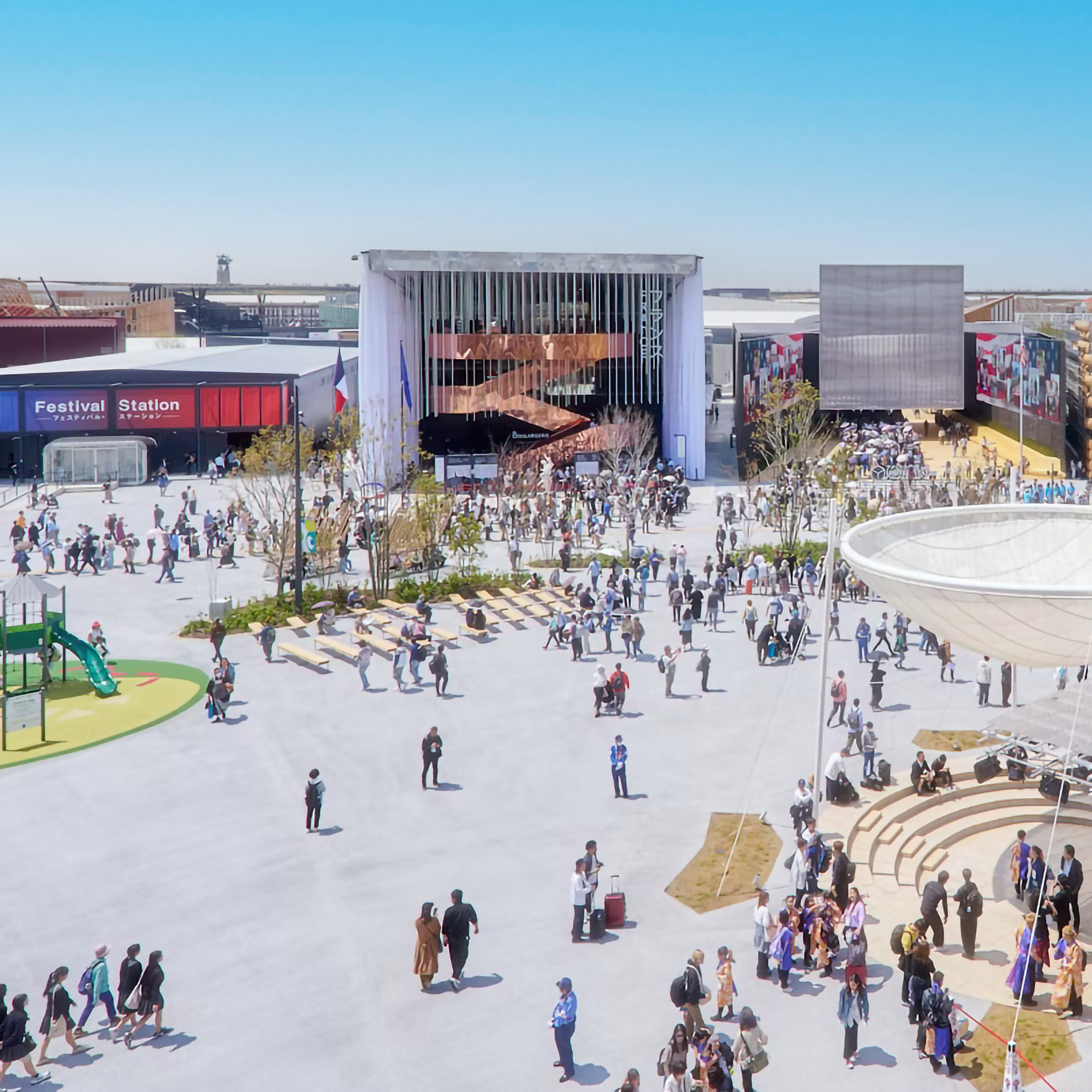
RIMOND started its journey into Construction inspired by these examples, with the aim of acting as a new player exactly in the gap between Design and Construction. The chance for experimenting the process again came from an exceptional, non-ordinary context such as the World Expo. This topic was the focus of the presentation by Giuseppe Chiarandà at FabGap3, focusing on the specificity of the Expo projects, how they allowed process innovation to happen and questioning the reasons why the same approach fails to extend, at least easily, to “standard” practice.
RIMOND intervention pointed out and revolved about the notion of risk. The question was how to reduce it, but most importantly the decision to take it and decide to manage it, that was at the roots of the entrepreneurship of the company since its beginning. The discussion highlighted the importance of what Scheurer defined as the “external pressure”, gifted to special projects by the “bespoke effect” and to the Expo by the time and space constraints, condensed into the opening date. If risk is the key concept, digital instruments have been the base for creating new roles and changing the process. They have been seen as the Trojan Horse to break some of the barriers that are responsible for the Gap. Unfortunately, this happened at a limited pace and RIMOND intervention posed critically how embracing the risk is a key for this change to happen. The question is larger than the professional boundary. While the previous conferences already explored many technical key issues (product vs building, the notion of interfaces vs standardization, supply chain management, among others), the London event expanded the domain of thinking to a wider, more cultural issue.
Answers from beyond technology
“How to unlock, then?” was the question raised by Wolf Mangelsdorf at the end of the two days of intense presentations and discussions.
But interestingly some of the answers already started to arise during the interventions selected by the organizers for this third edition, starting from the keynote lectures, chosen outside the purely technical domain.
Neal Shasore, responsible for an innovative program at London University, was the first of the two. Significantly, he is an historian. But its definition extends to historian of architecture, craft and design. His intervention navigated exactly among and across these domains and started from a conceptual shift of parametrics, towards the concepts of genotypes and phenotypes, not new to the scene of the digital pioneers, but here interpreted beyond the pure evidence of the built form, the phenotype. Where does the phenotype come from? What is its history, where lie its roots, and, what is the understanding, the relationship that common people establish with it? All these questions could be answered probably at the level of its genotype, and taking care of this aspect of the design, and of the process, suggests Shasore, can provide a possibility to bridge part of the Fabrication Gap. This is where his interest in the history of craft plays a role. He quoted the already mentioned pre-Modern professionals such as William Morris or the less known Richard Lethaby, to prove how relevant their experience has been along the 20th century and could be linked to the contemporary issues and the Gap. One of the projects and the experience he quoted in that sense is the work of Pakistani Architect Yasmeen Lari, who engaged local villagers from a cluster of deprived villages near the city of Thatta, a couple of hours drive east of Karachi to produce tiles for the design of pedestrian spaces she designed for the city center.
Beyond the hand-made and tactile feeling of the design, that might look old fashioned, the project showed a model where the designer also engaged and somehow invented a supply chain for the process, that produced at the same time an architectural effect and social changes linked to economy, showing how much sense of place, social understanding and acceptance, local materiality and craft can come together with innovation. But most importantly, the change in the process was supported by a change of role of the architect in this case, who showed a wider, entrepreneurial attitude. The second key lecture followed up on this last topic through the words and the works of Space Popular, with Lara Lesmes showing diagrams of the constant change of balances between roles and actors in the different projects she faced in their activity crossing architecture, event design, art.
New roles, open identities
Several diagrams showed different relationships, connections and dependencies between actors of the design-to-build process shown as bubbles into different constellations. But bubbles themselves were later challenged in the Conference Panel discussions of the second day. Should we still be “just” architects, engineers, contractors, fabricators, or should we, as happened, invent, shape new bubbles, new roles? The panels not only discussed but showed this attitude in the personal paths of the presenters, who passed from entrepreneurship to key roles in companies providing change management or process reshaping. Examples in that sense could span from Arthur Mamou Mani, who raised back the notion of entrepreneurship describing his practice, claiming for different rewarding financial schemes, to the experience of social housing by Siv Helene Stangeland of the Helen & Hard office, who promoted actively an innovative investment and co-living housing model in the Vindmøllebakken project, engaging personally, to the personal journey of professionals like Dominik Zausinger or Bruce Bell, that while now promoting change within the wider organizations of Drees & Sommer and Laing O’Rourke, they both come from personal entrepreneurship experiences.
A conference that aside the main topic reveals then identities that change, in constant negotiation with the context, testing new processes and taking risks to embrace them. Risk of different type, including the loss of identity or role in managing or entering horizontal collaboration models such as the German IPA process, as is the case with Sauerbruch & Hutton and Drees & Sommer. An ecosystem of change that invests identities themselves, that RIMOND joined with its willingness to leave its identity open, able to negotiate roles, attitudes and profiles of responsibility through different experiences and most importantly made of entities that are linked to action, conscious that every potential change only happens when somebody is brave or crazy enough to make the first step.